

Lexington, KY, January 2, 2026
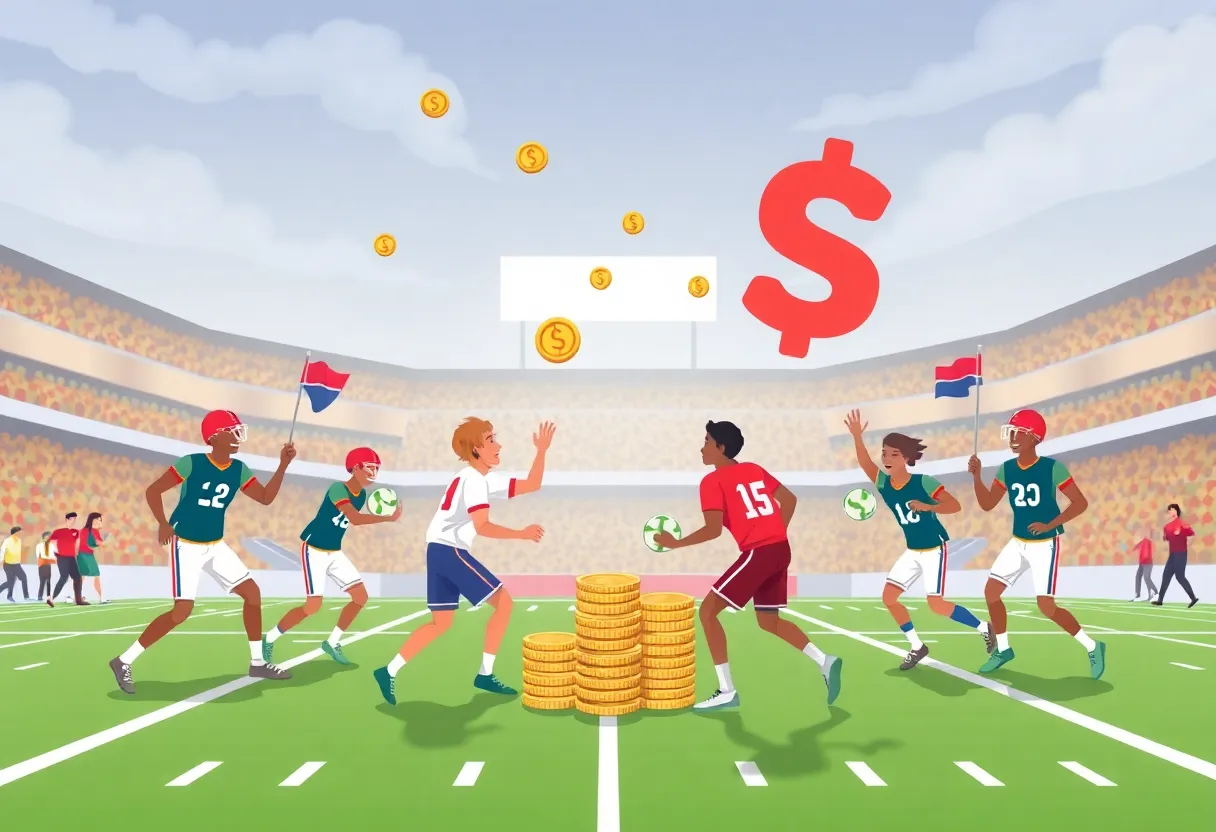
Recent developments in college sports have highlighted significant changes, notably a $2.8 billion settlement that allows colleges to directly compensate athletes for their name, image, and likeness (NIL). NCAA President Charlie Baker has urged Congress to address key issues, including athlete employment status and the need for unified federal legislation. This new landscape raises concerns about the integration of financial incentives within the traditional amateur model, prompting a reevaluation of the NCAA’s structure and college athletics’ future.
Lexington, KY – The landscape of college sports is shifting significantly, with recent developments bringing to the forefront the ongoing debates and challenges faced by this vital segment of American culture and economy.
Key Developments in College Sports
Introduction of Direct Payments to Athletes
A federal judge has finalized a $2.8 billion settlement, allowing colleges to compensate athletes directly for the use of their name, image, and likeness (NIL). This monumental change is a response to the rapidly changing dynamics within college sports, reflecting growing recognition of the financial stakes involved.
Call for Congressional Intervention
Charlie Baker, NCAA president, has effectively called upon Congress to tackle several critical issues regarding college athletics. These include the athlete employment status, where the NCAA aims to prevent athletes from being classified as employees of their institutions. Additionally, he advocates for unified federal legislation to replace the existing patchwork of over 30 state laws that govern college sports and requests antitrust protections for the NCAA to shield it from lawsuits related to eligibility and other concerns.
Financial Implications for Institutions
The newly enacted settlement introduces a salary cap, permitting institutions to allocate up to $20.5 million annually to athletes, with scheduled annual increases over the next decade. Colleges, such as Providence College, are actively exploring a variety of fundraising strategies to meet these new financial requirements. This necessitates creative solutions, including increasing ticket prices and engaging in more robust corporate sponsorships.
Debate Over the System’s Integrity
Critics are voicing concerns regarding the current system, arguing that the introduction of NIL opportunities and the transfer portal has deteriorated the traditional amateur model that once characterized college sports. Calls for reevaluation of the NCAA’s structure are growing stronger, as stakeholders debate the balance between education and athletics, along with the implications of heightened financial incentives.
Background Context
The NCAA remains at the epicenter of discussions about college athletics commercialization, particularly in light of NIL rights and the transfer portal’s implications. This ongoing dialogue emphasizes the need to assess how collegiate athletics can maintain its integrity while evolving to meet modern realities. Balancing the roles of education and sports with financial incentives is pivotal for the future of college athletics.
Frequently Asked Questions (FAQ)
What is the recent $2.8 billion settlement in college sports?
A federal judge has finalized a $2.8 billion settlement, allowing colleges to directly compensate athletes for the use of their name, image, and likeness (NIL). This change aims to address the evolving nature of college sports and the financial dynamics involved.
What is Charlie Baker’s role in the NCAA?
Charlie Baker serves as the president of the NCAA and has called for congressional intervention to address issues such as athlete employment status, unified federal legislation, and antitrust protections.
How are colleges adjusting to the new financial demands?
Colleges are exploring various fundraising strategies to meet the new financial demands, including seeking corporate sponsorships, increasing ticket fees, and enhancing donation efforts.
What are the criticisms of the current college sports system?
Critics argue that the current system, influenced by NIL opportunities and the transfer portal, has led to a loss of the traditional amateur model in college sports. Some suggest that the NCAA’s structure may need reevaluation to align with modern realities.
What is the NCAA’s stance on athlete employment status?
The NCAA aims to prevent athletes from being classified as employees of their schools, seeking to maintain the traditional student-athlete model.
Key Features of the College Sports System Transformation
| Feature | Description |
|---|---|
| Direct Payments to Athletes | Colleges can now compensate athletes directly for the use of their name, image, and likeness (NIL), following a $2.8 billion settlement. |
| Salary Cap Implementation | A salary cap allows schools to allocate up to $20.5 million annually to athletes, with annual increases over the next decade. |
| Call for Congressional Intervention | Charlie Baker, NCAA president, has urged Congress to address issues such as athlete employment status, unified federal legislation, and antitrust protections. |
| Criticism of the Current System | Critics argue that the current system, influenced by NIL opportunities and the transfer portal, has led to a loss of the traditional amateur model in college sports. |
Deeper Dive: News & Info About This Topic
HERE Resources
University of Kentucky Enhances Student-Athlete Opportunities with BBNIL
University of Kentucky Celebrates Philanthropy with Mobley Awards
Kentucky Wildcats Triumph Over Indiana Hoosiers in Rivalry Match
Kentucky Wildcats Defeat Indiana Hoosiers in Thrilling Encounter
University of Kentucky Appoints Will Stein as New Head Coach
Kentucky Gymnastics Hosts Annual Blue-White Meet
Lexington KY Celebrates UK Dance Day at Memorial Coliseum
Kentucky Volleyball Advances with Victory Over Wofford
2025 NCAA Division I Women’s Volleyball Championship Kicks Off
UK Wildcats Host Pregame Gathering Ahead of Tournament Match

Author: STAFF HERE LEXINGTON KY STAFF
The LEXINGTON STAFF WRITER represents the experienced team at HERELexingtonKY.com, your go-to source for actionable local news and information in Lexington, Fayette County, and beyond. Specializing in "news you can use," we cover essential topics like product reviews for personal and business needs, local business directories, politics, real estate trends, neighborhood insights, and state news affecting the area—with deep expertise drawn from years of dedicated reporting and strong community input, including local press releases and business updates. We deliver top reporting on high-value events such as Woodland Art Fair, Crave Food and Music Festival, and Railbird Festival. Our coverage extends to key organizations like Commerce Lexington and Blue Grass Community Foundation, plus leading businesses in education, manufacturing, and technology that power the local economy such as University of Kentucky, Toyota Motor Manufacturing, and Lexmark. As part of the broader HERE network, including HEREBowlingGreen.com and HERELouisville.com, we provide comprehensive, credible insights into Kentucky's dynamic landscape.