
Lexington, Kentucky, October 29, 2025
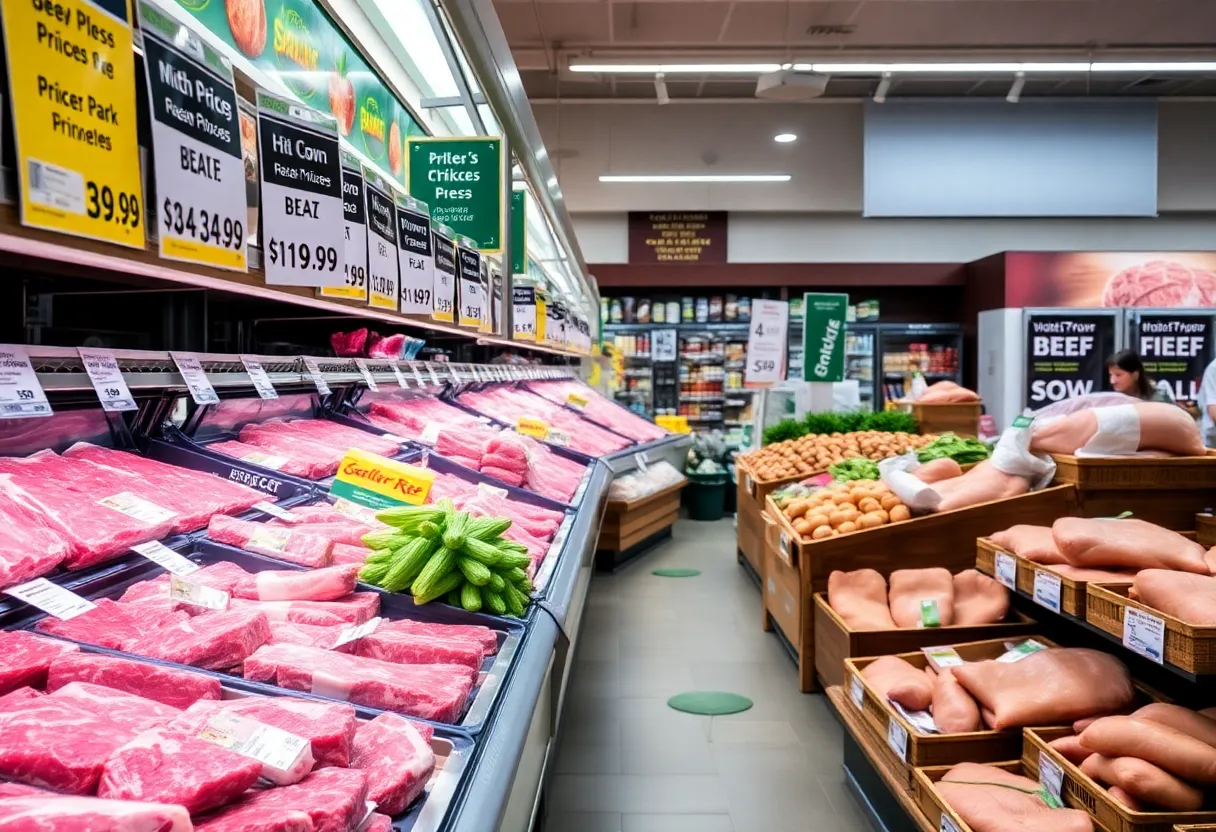
Beef prices in Kentucky have soared to record levels, raising concerns among consumers. Factors such as increased feed costs, labor shortages, and supply chain disruptions are driving this surge. As prices rise, many shoppers are turning to alternative protein sources, affecting local eateries and consumer behavior. Industry leaders are actively exploring solutions to mitigate these challenges, though experts predict elevated beef prices may persist due to ongoing complexities.
Sticker Shock at the Meat Counter: What’s Behind the Rising Cost of Beef in Kentucky
Lexington, Kentucky – Beef prices in Kentucky have reached record highs, causing significant concern among consumers. Several factors are contributing to this surge, including increased feed costs, labor shortages, and supply chain disruptions.
Key Factors Driving Beef Price Increases
Increased Feed Costs: The cost of feed, a primary expense for cattle farmers, has risen sharply due to adverse weather conditions affecting crop yields. This escalation directly impacts the overall cost of raising cattle, leading to higher beef prices.
Labor Shortages: The meat processing industry is facing significant labor shortages, resulting in reduced processing capacity. This shortage not only affects the speed at which cattle are processed but also increases operational costs, which are passed on to consumers.
Supply Chain Disruptions: Ongoing supply chain issues, including transportation delays and logistical challenges, have further strained the beef supply. These disruptions contribute to the scarcity of beef products in the market, driving prices upward.
Impact on Consumers and Local Businesses
The rising beef prices have led to noticeable changes in consumer behavior. Shoppers are opting for alternative protein sources, such as chicken and pork, to manage their grocery expenses. Local restaurants and eateries are also adjusting their menus, either by reducing beef offerings or increasing prices to offset higher costs.
Industry Response and Outlook
Industry leaders are actively seeking solutions to address these challenges. Efforts include exploring alternative feed options, investing in automation to mitigate labor shortages, and working to resolve supply chain bottlenecks. While these measures aim to stabilize the market, experts anticipate that beef prices may remain elevated in the near future due to the complexity of the issues involved.
Background Context
Kentucky’s beef industry is a significant contributor to the state’s economy, with numerous farms and processing facilities operating statewide. The current price surge reflects broader national trends in the meat industry, influenced by similar factors affecting other regions. Understanding these dynamics is crucial for consumers and businesses navigating the evolving market landscape.
Frequently Asked Questions (FAQ)
What are the main reasons for the rising cost of beef in Kentucky?
The main reasons include increased feed costs due to adverse weather conditions, labor shortages in the meat processing industry, and supply chain disruptions affecting beef availability.
How are consumers responding to higher beef prices?
Consumers are opting for alternative protein sources, such as chicken and pork, to manage their grocery expenses. Some are also reducing their overall meat consumption.
What steps is the beef industry taking to address these challenges?
The industry is exploring alternative feed options, investing in automation to mitigate labor shortages, and working to resolve supply chain bottlenecks to stabilize the market.
Will beef prices remain high in the near future?
Experts anticipate that beef prices may remain elevated in the near future due to the complexity of the issues involved, despite ongoing efforts to address them.
Key Features of the Rising Beef Prices in Kentucky
| Feature | Description |
|---|---|
| Increased Feed Costs | Higher expenses for cattle feed due to adverse weather conditions affecting crop yields. |
| Labor Shortages | Reduced processing capacity in the meat industry due to significant labor shortages. |
| Supply Chain Disruptions | Logistical challenges and transportation delays leading to beef scarcity in the market. |
| Consumer Behavior | Shift towards alternative proteins like chicken and pork to manage grocery expenses. |
| Industry Measures | Exploration of alternative feed options, investment in automation, and efforts to resolve supply chain issues. |
Now Happening on X
No recent related discussions found. Check back soon!
Deeper Dive: News & Info About This Topic
HERE Resources
Critchfield Meats Celebrates Grand Opening of New Facility
Critchfield Meats Expands Operations in Lexington
Lexington Welcomes a Flavorful Wave of New Restaurants