

Lexington, KY, January 30, 2026
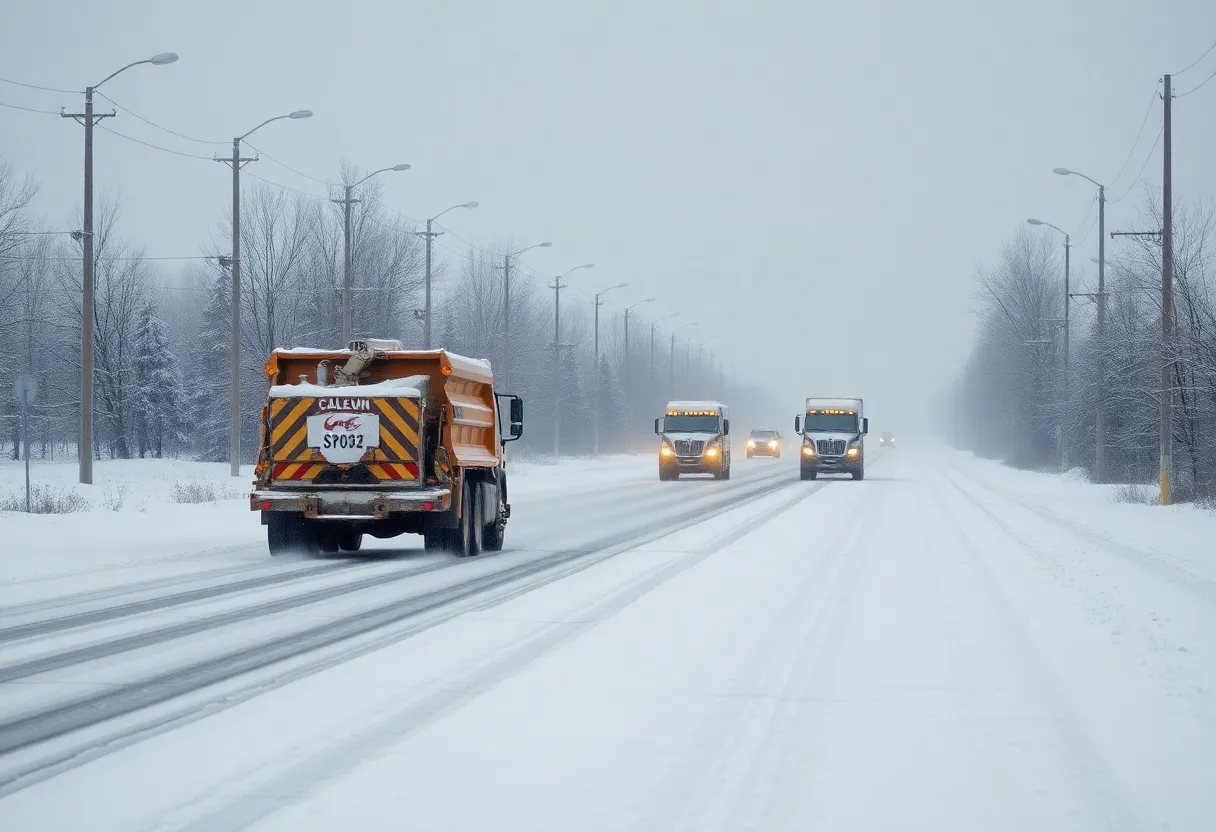
In response to recent winter weather, Lexington’s road maintenance teams have opted for salt instead of sand to manage icy road conditions. Salt effectively melts ice and prevents its formation, enhancing safety on the roads. While environmental concerns exist with salt use, road departments monitor its application to balance safety and ecological impact. Sand is reserved for extreme cold when salt is less effective, but it does not address the ice melting issue.
Lexington, KY: Road Departments Opt for Salt Over Sand on Icy Roads
In response to recent winter weather, Lexington’s road maintenance teams have chosen to use salt instead of sand to address icy conditions. This decision is based on the effectiveness of salt in melting ice and preventing its formation, which enhances road safety.
Salt’s Effectiveness in Melting Ice
Salt, primarily sodium chloride, lowers the freezing point of water, effectively melting existing ice and preventing new ice from forming. This chemical reaction is particularly effective in temperatures above 15°F (-9°C). In contrast, sand does not melt ice but provides temporary traction, which can be quickly displaced by traffic, reducing its effectiveness. Additionally, sand can clog drainage systems and contribute to environmental pollution when washed into waterways. Therefore, salt is preferred for its dual role in melting ice and improving traction.
Environmental and Maintenance Considerations
While salt is effective, it can have environmental impacts, such as corrosion of vehicles and infrastructure, and potential harm to aquatic ecosystems. To mitigate these effects, road departments often monitor and adjust salt usage, applying it judiciously to balance safety and environmental concerns.
Alternative Methods and Local Practices
In extremely cold temperatures, when salt becomes less effective, road departments may use sand or other abrasives to provide traction. However, these materials do not melt ice and can lead to environmental issues, such as clogging drainage systems and polluting waterways. Therefore, their use is limited and typically reserved for specific conditions.
Conclusion
Lexington’s road maintenance teams prioritize safety by using salt to address icy conditions, ensuring effective ice melting and traction. They continue to monitor weather conditions and adjust their methods to maintain safe roadways while considering environmental impacts.
Frequently Asked Questions (FAQ)
Why do road departments prefer salt over sand for icy roads?
Salt melts ice and prevents its formation, enhancing road safety. Sand provides temporary traction but does not melt ice and can be quickly displaced by traffic, reducing its effectiveness. Additionally, sand can clog drainage systems and contribute to environmental pollution when washed into waterways.
What are the environmental impacts of using salt on roads?
Salt can cause corrosion of vehicles and infrastructure and may harm aquatic ecosystems. Road departments monitor and adjust salt usage to balance safety and environmental concerns.
When do road departments use sand instead of salt?
In extremely cold temperatures, when salt becomes less effective, road departments may use sand or other abrasives to provide traction. However, these materials do not melt ice and can lead to environmental issues, such as clogging drainage systems and polluting waterways. Therefore, their use is limited and typically reserved for specific conditions.
How do road departments balance safety and environmental concerns when treating icy roads?
Road departments prioritize safety by using salt to address icy conditions, ensuring effective ice melting and traction. They continue to monitor weather conditions and adjust their methods to maintain safe roadways while considering environmental impacts.
Key Features of Road Treatment Methods
| Method | Effectiveness | Environmental Impact | Usage Conditions |
|---|---|---|---|
| Salt | Melts ice and prevents formation; effective above 15°F (-9°C) | Can cause corrosion and harm aquatic ecosystems; monitored to balance safety and environmental concerns | Preferred in temperatures above 15°F (-9°C) |
| Sand | Provides temporary traction; does not melt ice | Can clog drainage systems and pollute waterways; limited use due to environmental concerns | Used in extremely cold temperatures when salt is less effective |
Deeper Dive: News & Info About This Topic
HERE Resources
Severe Winter Weather Causes Over 120 Traffic Accidents in Lexington
Kentucky Lawmakers Introduce New Legislative Bills
Scott County Detention Center Stops Posting Inmate Mugshots Online
Kentucky’s LGBTQ+ Community Prepares for Legislative Changes
Lexington Attorneys Investigate Sexual Assault Allegations at Cardinal Hill Rehabilitation Hospital
Lexington, Kentucky, Faces Hazardous Snowstorm and Icy Conditions
Snowfall Leads to 45 Accidents and Hazards on Lexington Roads
Local Business Takes Stand to Support Logan’s Law
Fayette County Board of Education Pursues Eminent Domain for New School
ATV Crash in Moreland, Kentucky Leaves Local Man Injured