

Indianapolis, September 29, 2025
News Summary
President Trump’s recent suggestion linking Tylenol use during pregnancy to autism has ignited a controversy in the autism community. While some view it as a catalyst for meaningful discourse, many mothers criticize the implications of blame. Experts reaffirm that scientific evidence does not support Trump’s assertions and emphasize the need for acceptance in autism discussions. Health officials are addressing misinformation, notably in the context of vaccine hesitancy and the safe use of acetaminophen during pregnancy.
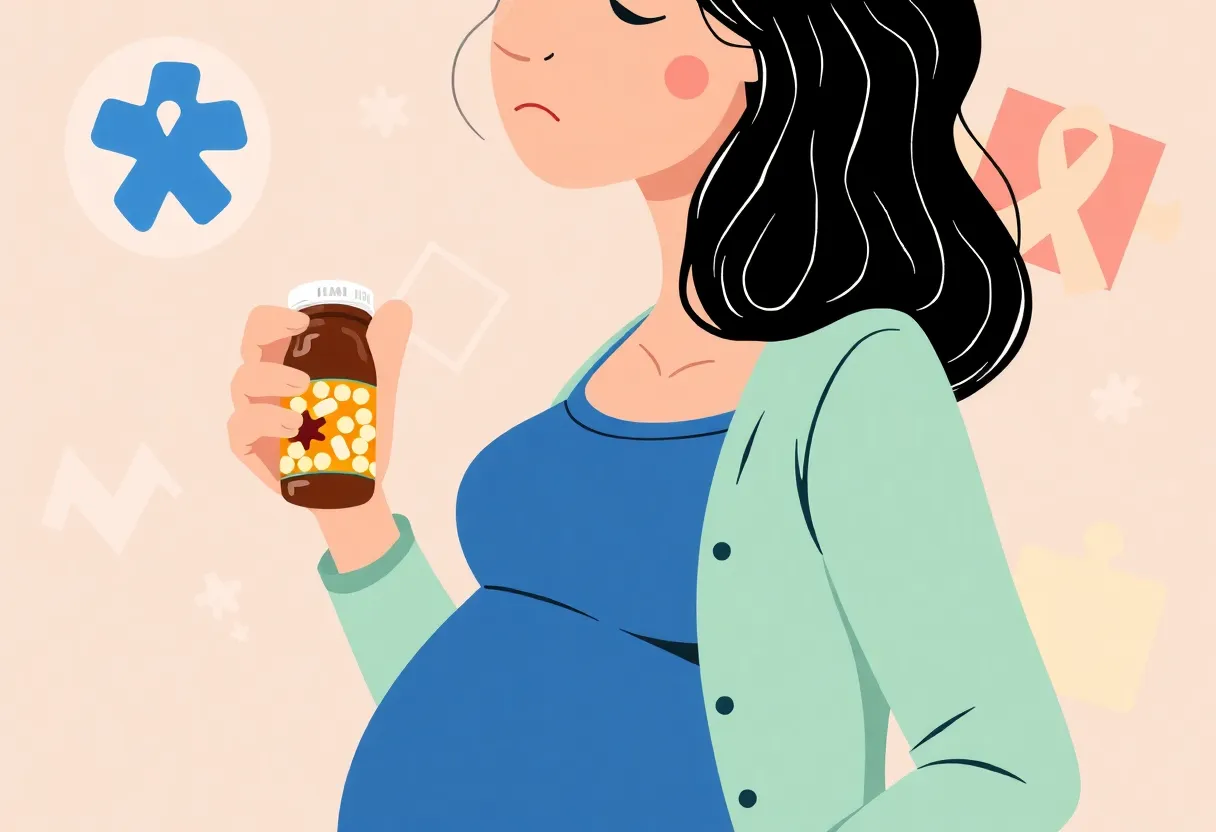
Indianapolis – President Trump’s recent comments suggesting a link between Tylenol use during pregnancy and autism have ignited a significant divide within the autism community. While some see this renewed focus on autism as positive, many others criticize the blame it implies for mothers.
Trump warned expectant mothers against taking acetaminophen, the active ingredient in Tylenol, claiming it could contribute to autism in children. This assertion lacks reliable scientific backing, as numerous studies have either disputed this connection or found no causal link. Despite this, the mixed reactions to his comments have led to confusion and misinformation amongst parents about safe pregnancy practices.
Among those responding to Trump’s remarks is an Indiana mother of a son with autism, who expressed that his statements unfairly position blame on mothers for their children’s conditions. Similarly, a woman from Kentucky, diagnosed with autism as an adult, felt Trump’s choice of words villainizes the condition, referring to it as a “horrible, horrible crisis.” This characterization has raised alarms within the community, painting a grim picture of autism, which many individuals embrace as part of their identity.
In contrast, a father from Massachusetts, who cares for twin boys with profound autism, found some hope in Trump’s remarks, viewing them as a catalyst for more substantial discussions on autism at higher government levels. Proponents of autism research welcome any new attention and funding that might arise from these conversations. However, concerns persist about the potential social stigmas that may result from his comments.
Women like Dani Derner, a mother of a 4-year-old with autism, lament the ongoing societal tendency to blame mothers for autism, bringing to mind outdated theories, such as the “refrigerator mother” concept. These stereotypes have historically cast aspersions on maternal behavior as a cause for autism, a notion many in the autism community find deeply offensive.
The conversation around autism is complex. Many individuals on the spectrum argue that viewing autism primarily as a condition in need of a cure does not reflect their lived experience. Advocacy groups maintain that the community should focus on acceptance and support instead of fostering a narrative of blame or shame. The Autism Science Foundation has pointed out that current evidence does not support any linkage between Tylenol use and autism, asserting that it is essential to use this medication under medical guidance during pregnancy.
In addition to the controversy surrounding Tylenol, Trump has made statements that question the necessity of certain vaccines, such as the hepatitis B vaccine for newborns. These claims have created further vaccination hesitancy among parents. Health officials continue to clarify that acetaminophen is generally considered safe for use during pregnancy, directly refuting the claims made by the president.
The health community remains vigilant in addressing both the misinformation prompted by Trump’s comments and the broader implications for autism discourse. A federal judge has already criticized a Harvard dean’s testimony linking Tylenol to autism as unreliable, highlighting the legal and ethical responsibilities tied to public health messaging. Meanwhile, the Trump administration is also investigating potential autism treatments, including leucovorin, a cancer drug, though this research is still in its nascent stages.
Reactions within the autism community underscore the diverse experiences of individuals on the spectrum and their families, revealing a complex landscape of opinions regarding the framing of autism and its causes. It remains crucial for future discussions to emphasize acceptance, support, and scientifically sound information about autism.
FAQ
What did President Trump say about Tylenol use during pregnancy?
President Trump suggested that using Tylenol during pregnancy could lead to autism in children, a claim that is not supported by strong scientific evidence.
What has the autism community’s response been to Trump’s remarks?
Responses have been mixed. Some praise the increased attention to autism, while others criticize the implication that mothers are to blame for their children’s conditions.
Is there any scientific evidence linking Tylenol use to autism?
Current scientific evidence does not support a link between Tylenol use and autism. Recommendations emphasize that acetaminophen should only be used under medical guidance during pregnancy.
What approach do experts suggest for discussions around autism?
Experts advocate for discussions about autism to focus on acceptance and support rather than blame, emphasizing the importance of scientifically accurate information.
Key Features
| Feature | Description |
|---|---|
| Trump’s Statement | Claimed Tylenol use during pregnancy could lead to autism. |
| Community Reactions | Mixed feelings; some welcome attention, others criticize blame on mothers. |
| Scientific Consensus | No established link between Tylenol use and autism; cautions against misinformation. |
| Vaccine Controversy | Statements on vaccines raise concerns about vaccination hesitancy. |
| Focus on Acceptance | Call for a shift in discussions toward support and acceptance of autism. |
Deeper Dive: News & Info About This Topic
HERE Resources
Kentucky Officials Affirm Acetaminophen Safety for Pregnant Women
Trump Administration’s Announcement on Acetaminophen and Autism
Additional Resources
- Stat News
- BBC News
- Washington Post
- The Guardian
- Politico
- Wikipedia: Autism
- Google Search: Tylenol pregnancy autism
- Google Scholar: Tylenol use and autism
- Encyclopedia Britannica: Autism
- Google News: Trump Tylenol autism